

If you have researched longevity, brain health, or healthy aging, you have probably come across the name NAD+ more than once. And for good reason: few molecules play such a central role in how the human body functions and how it ages. The good news is that there are concrete ways to raise its levels, both through lifestyle habits and supplementation. Here we explain everything you need to know.
What is NAD+ and Why is it so Important?
NAD+ (nicotinamide adenine dinucleotide) is a coenzyme present in every cell of the body and participates in more than 500 biological reactions. Its best known function is energy production in the mitochondria, but its role goes much further: it regulates DNA repair, controls inflammatory processes, activates sirtuins (the proteins associated with longevity), and is fundamental for cognitive function. In short, without adequate levels of NAD+ the body simply cannot function well, and the brain is one of the organs that notices it the most.
Why Do NAD+ Levels Drop With Age?
From the age of 40, NAD+ levels begin to fall significantly, and the decline accelerates with each decade. Researchers attribute this drop to several factors: the increase of NAD+-consuming enzymes like CD38, the chronic inflammation that comes with aging, and a lower efficiency of the body to synthesize it from food. The result is that cells have less energy, less capacity to repair themselves, and are more vulnerable to cumulative damage that over time translates into cognitive decline, chronic fatigue, and accelerated aging.
What Foods Help Increase NAD+ Naturally?
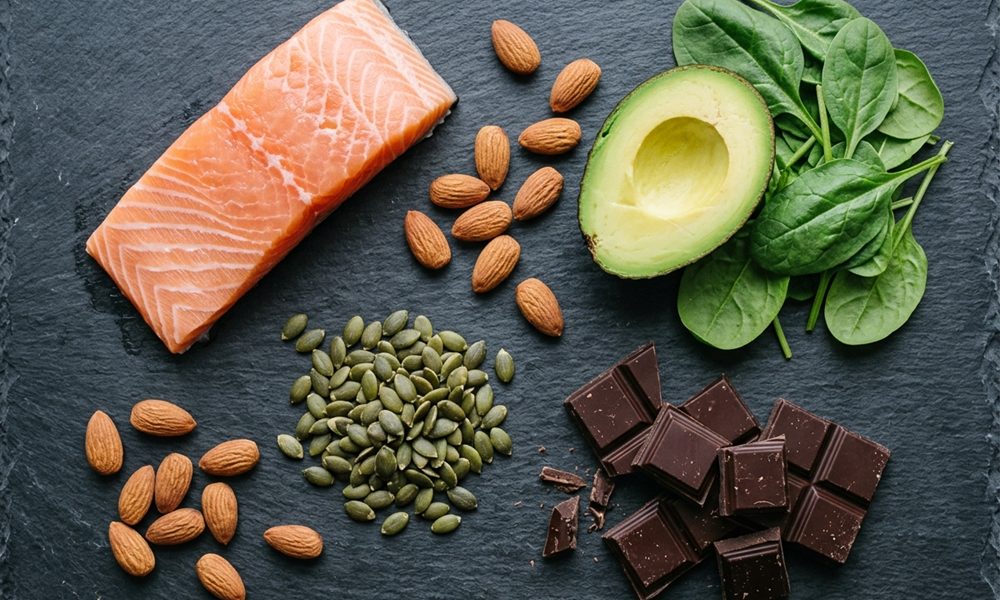
Certain foods contain NAD+ precursors that the body can use to synthesize it. The most relevant are fatty fish such as tuna and salmon, eggs, mushrooms, sunflower seeds, peanuts, and avocado. All of them are rich in vitamin B3 and its derivatives, which are the direct raw material for NAD+ production. That said, the amount of precursors that can be obtained through diet alone has a limit, especially as the body ages and its synthesis capacity decreases. Diet is a good starting point, but it is rarely enough on its own to compensate for the natural decline.
What Lifestyle Habits Raise NAD+?
In addition to diet, several habits have been shown to have a positive impact on NAD+ levels. Intermittent fasting activates sirtuins and stimulates NAD+ production by reducing unnecessary consumption of the molecule. Exposure to extreme temperatures, such as sauna or cold baths, generates a hormetic stress that the body responds to by producing more NAD+. Sleeping well is another key factor, as sleep deprivation consumes NAD+ at an accelerated rate. And reducing alcohol consumption is especially important, as alcohol is one of the greatest consumers of NAD+ in the body.
Does Exercise Really Increase NAD+?
Yes, and significantly. Physical exercise, especially high intensity training and strength training, is one of the most powerful stimuli for raising NAD+ levels naturally. When muscles work, the demand for mitochondrial energy increases, which activates the NAD+ synthesis pathways and stimulates the production of NAMPT, the key enzyme in that process. Studies have shown that physically active people maintain significantly higher NAD+ levels than sedentary people of the same age, which partly explains why regular exercise is so consistently associated with slower aging and better cognitive function.
What is the Most Efficient Way to Raise NAD+?
The honest answer is that no single habit is enough. The most effective strategy combines several fronts at the same time: a diet rich in precursors, regular exercise, good sleep, occasional intermittent fasting, and the reduction of habits that consume NAD+ such as alcohol and sedentary behavior. However, even with all these habits well established, NAD+ levels tend to keep falling with age due to the biological changes that come with aging. That is where supplementation with precursors like NMN makes a real and measurable difference.
What Supplement is Most Recommended for Raising NAD+?
Of all the available precursors, NMN (Nicotinamide Mononucleotide) is the one with the greatest scientific backing for raising NAD+ levels efficiently and sustainably. Unlike taking NAD+ directly, which the body cannot absorb well due to the size of the molecule, NMN is small enough to cross the cell membrane and convert into NAD+ directly inside the cells where it is needed. A clinical trial found that after 60 days of supplementation, blood NAD+ levels increased by 38%. Our NMN delivers 1,000 mg per serving and it's formulated with a focus on bioavailability to ensure the compound effectively reaches the cells. For those looking to complement their lifestyle habits with the support of the most current science, it is a solid and well-founded option.
You can find it in: https://robertlovestore.com/products/nmn
This article is for informational purposes only and does not substitute professional medical advice. Always consult a healthcare specialist before adding new supplements to your routine.

1 comment
Wendy Chirichello
My husband has been diagnosed with Ataxia can these supplements help ??
Thank you
Wendy Chirichello
My husband has been diagnosed with Ataxia can these supplements help ??
Thank you
Wendy Chirichello